Commercial Cleaning
The Restaurant Kitchen Deep Clean: What Inspectors Look For
21 August 2026
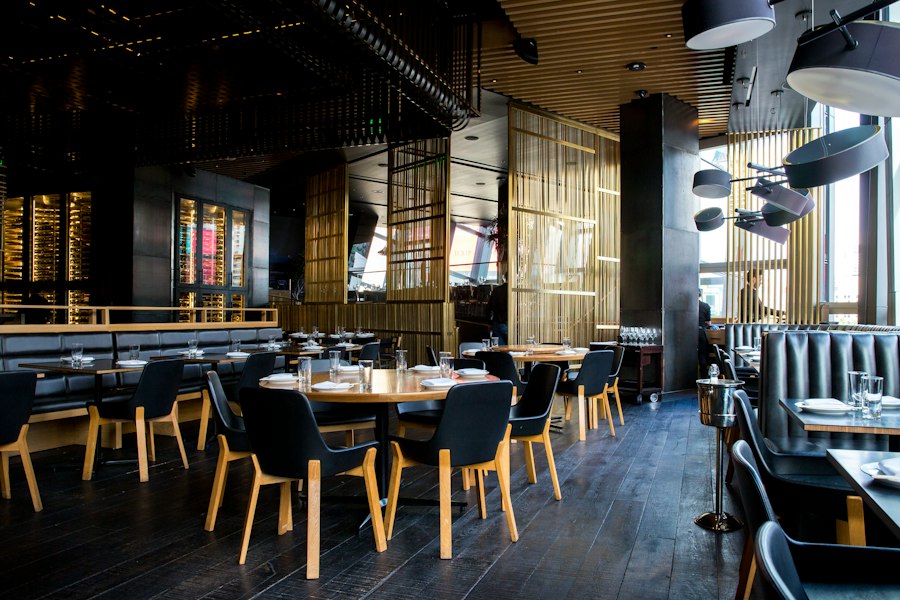
In hospitality, your food hygiene rating is one of your most valuable assets, and kitchen cleanliness is central to it. A regular wipe-down between services is not enough to satisfy an environmental health inspection. A periodic professional kitchen deep clean is what keeps you compliant and protects your reputation.
What Inspectors Check
- Build-up of grease on canopies, filters and extraction
- Cleanliness behind and underneath equipment
- Condition of floors, walls and drainage
- Evidence of pests attracted by food residue
- Cleanliness of hard-to-reach areas like shelving undersides
What a Kitchen Deep Clean Includes
Canopy, filter and extraction degreasing
Deep cleaning of fryers, grills and ovens
Cleaning behind and underneath all equipment
Wall, tile and ceiling degreasing
Floor degreasing including drains and gullies
Sanitising of all food preparation surfaces
How Often Should It Be Done?
Most Sheffield kitchens benefit from a deep clean every 6 to 12 months, depending on volume and the type of cooking. High-output fryer kitchens may need quarterly extraction cleans. Scheduling these around your quieter periods or closed days keeps disruption to a minimum and ensures you are inspection-ready at any time.
"Our hygiene rating went to 5 after Crystal Clear's first kitchen deep clean. The detail they went into was impressive.", Owner, Sheffield City Centre Restaurant